
Water Weight: Why Your Weight Jumps and How to Read the Scale
Why your weight goes up 1–2 kg overnight: water, salt, carbs, exercise and hormones. How to tell water weight from fat and track your real trend.
By Ayoub Farid · · 2 min read
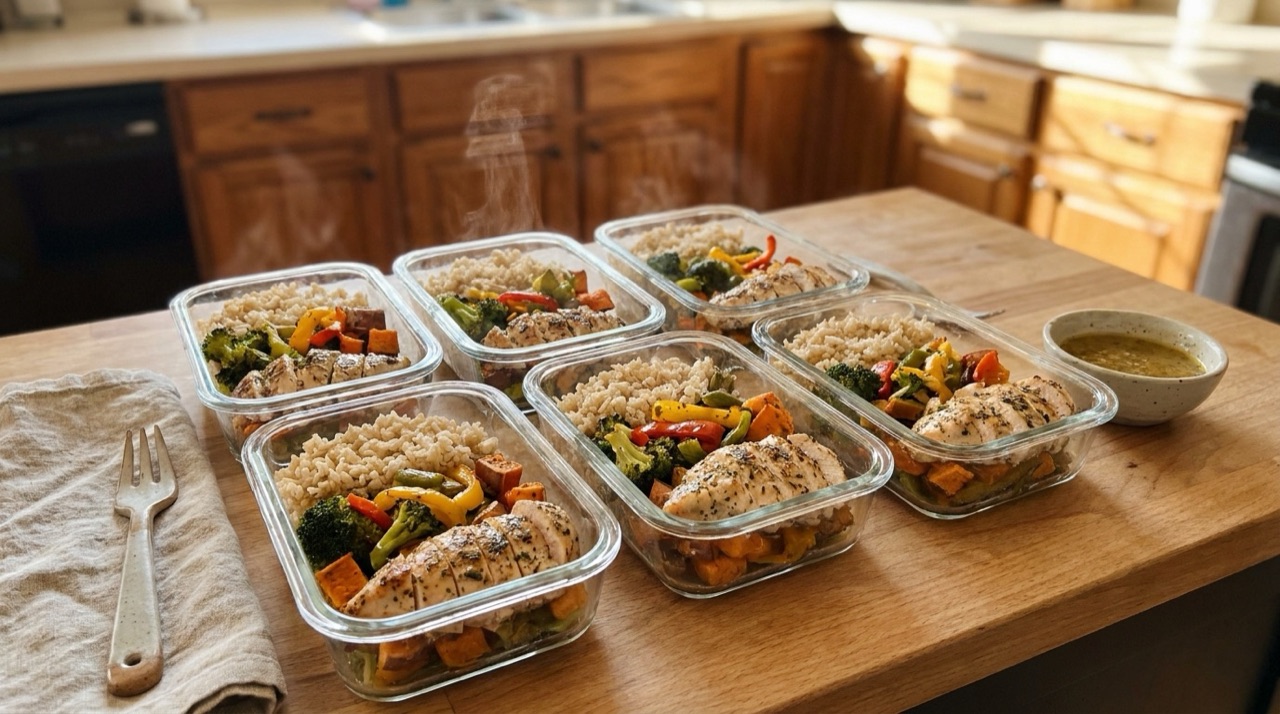
You eat in a deficit all week, step on the scale and you're up 1.5 kg. It feels like failure, but it's almost certainly water. Understanding water weight makes tracking much less stressful.
Key takeaways
- Overnight weight jumps of 0.5–2 kg are almost always water, not fat.
- Salt, carbohydrates (glycogen holds about 3 g of water per gram), new exercise, hormones, stress and travel all cause water retention.
- Gaining a kilogram of fat would take roughly 7,700 kcal above your needs, far more than one meal.
- Compare weekly averages and, for menstrual cycles, the same phase month to month.
- Consistent salt and carb intake, good sleep and enough water reduce swings.
What causes water weight
- Salt: sodium makes your body hold more water. A salty restaurant meal can add 0.5–1.5 kg overnight.
- Carbs: each gram of stored glycogen holds roughly 3 g of water. A high-carb day can raise weight; low-carb diets drop it quickly at first.
- Exercise: new or intense training causes temporary inflammation and fluid retention in muscles.
- Hormones: many women retain water in the days before their period.
- Stress and poor sleep: can raise cortisol and water retention.
- Digestion: food in your gut weighs something.
- Travel and heat.
Water weight vs. fat
| Water | Fat | |
|---|---|---|
| Speed | Changes overnight | Changes slowly |
| Size | 0.5–2+ kg swings | ~0.1 kg per day at best |
| Pattern | Up and down | Steady trend |
Gaining a kilogram of fat would require eating roughly 7,700 kcal above your needs, so an overnight jump after one meal is not fat.
How to read the scale
- Weigh yourself in the morning, after the bathroom, before eating.
- Weigh 3–7 times a week.
- Compare weekly averages, not single days.
- For menstrual cycles, compare the same phase month to month.
See how often to weigh yourself.
Reducing water retention
- Keep salt intake moderate and consistent.
- Drink enough water.
- Sleep well.
- Keep carb intake fairly steady from day to day.
Track it
Logging your weight in Nutora regularly gives you a chart where the trend is visible through the daily noise. Related: weight loss plateau, how fast can you lose weight.
Frequently asked questions
How much can water weight fluctuate?
Commonly 0.5–2 kg day to day, sometimes more.
How long does water weight last?
Usually a few days after a salty or high-carb meal, or until a hormonal phase ends.
Is the first week of weight loss just water?
A large part of early loss is water and glycogen; fat loss continues underneath.
Does drinking more water reduce water weight?
Staying well hydrated can help your body regulate fluid balance.
Track it with a photo
Snap your meal, see the calories
Nutora's AI estimates calories, protein, carbs and fat from a photo of your plate and tracks them against your daily goal. Download on iPhone and iPad with a 3-day free trial.
Download on theApp Store