12 Calorie Counting Mistakes That Stall Weight Loss
The most common calorie counting mistakes, from unlogged cooking oil and drinks to cooked-vs-raw weights and weekend gaps, and how to fix each one.
By Ayoub Farid · · 2 min read
Calorie counting works, but small errors stack up. These are the mistakes we see most often, with simple fixes.
Key takeaways
- Unlogged cooking oil, drinks and calorie-dense spreads cause most tracking errors.
- Mixing raw and cooked weights can make rice, pasta and meat entries wildly off.
- Logging before you eat and on 'bad' days matters more than precision.
- Recalculate your target as you lose weight and judge progress by weekly averages.
1. Not logging cooking oil
One tablespoon of oil or butter is about 100–120 kcal. Measure it, or add an estimate to every home-cooked meal.
2. Forgetting drinks
Lattes, juice, smoothies, soda and alcohol. See calories in coffee drinks and calories in beer and wine.
3. Eyeballing calorie-dense foods
Peanut butter, nuts, cheese, oils and granola are where guesses go most wrong. Weigh them a few times. See calories in peanut butter.
4. Mixing raw and cooked weights
Rice, pasta and meat change weight when cooked. 100 g of dry rice is about 360 kcal; 100 g cooked is about 130. Use matching values. See calories in rice.
5. Logging at the end of the day
Memory underestimates. Log (or photograph) before you eat.
6. Skipping "bad" days
Untracked days are usually the high days. Rough logging is better than none.
7. Ignoring bites, licks and tastes
A few spoonfuls while cooking or kids' leftovers can add 100–300 kcal a day.
8. Trusting every database entry
User-created entries can be wrong. Prefer verified entries or label values.
9. Eating back all exercise calories
Trackers often overestimate burn. If your target already includes activity, don't add workouts back.
10. Choosing an unrealistic target
Too-low targets lead to rebound eating. See is 1200 calories too low.
11. Not adjusting as you lose weight
Recalculate after every 4–5 kg lost. See maintenance calories.
12. Judging progress by single days
Weight fluctuates. Use weekly averages. See how often to weigh yourself.
How photo logging helps (and where it doesn't)
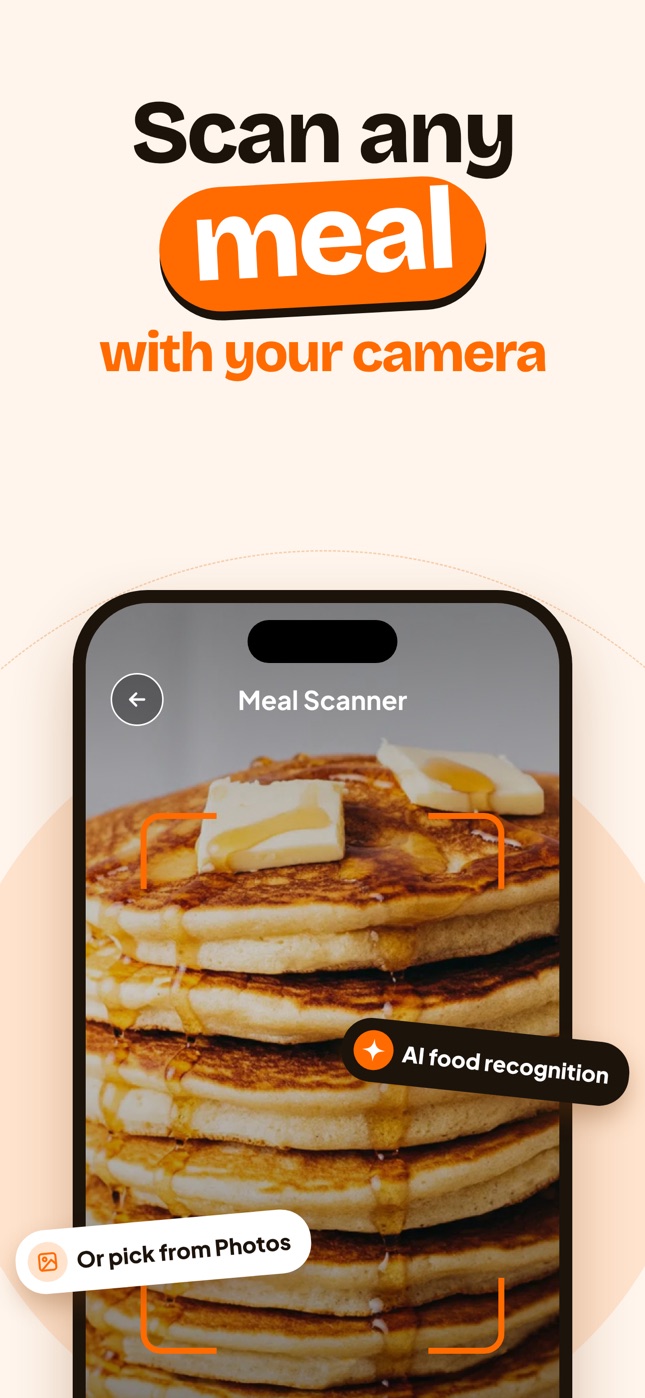
Photo logging fixes mistakes 5 and 6 by making logging fast enough to do at every meal. It can't see oil soaked into food or the sugar in your coffee, so add those manually. See how accurate AI calorie trackers are.
Frequently asked questions
Why am I not losing weight even though I count calories?
Usually unlogged oils, drinks, snacks or weekends, or a target that's too high for your current weight.
Should I weigh my food?
Weighing calorie-dense staples for a week or two helps calibrate your estimates.
Is it OK to estimate calories?
Yes, as long as you're consistent and check your estimates occasionally.
Do I need to log vegetables?
Starchy vegetables, yes. Leafy greens are so low in calories that rough logging is fine.
Track it with a photo
Snap your meal, see the calories
Nutora's AI estimates calories, protein, carbs and fat from a photo of your plate and tracks them against your daily goal. Download on iPhone and iPad with a 3-day free trial.
Download on theApp Store