
In a Calorie Deficit but Not Losing Weight? 9 Real Reasons
Eating in a calorie deficit but not losing weight? The 9 most common reasons, from water retention and logging gaps to overestimated exercise.
By Ayoub Farid · · 2 min read
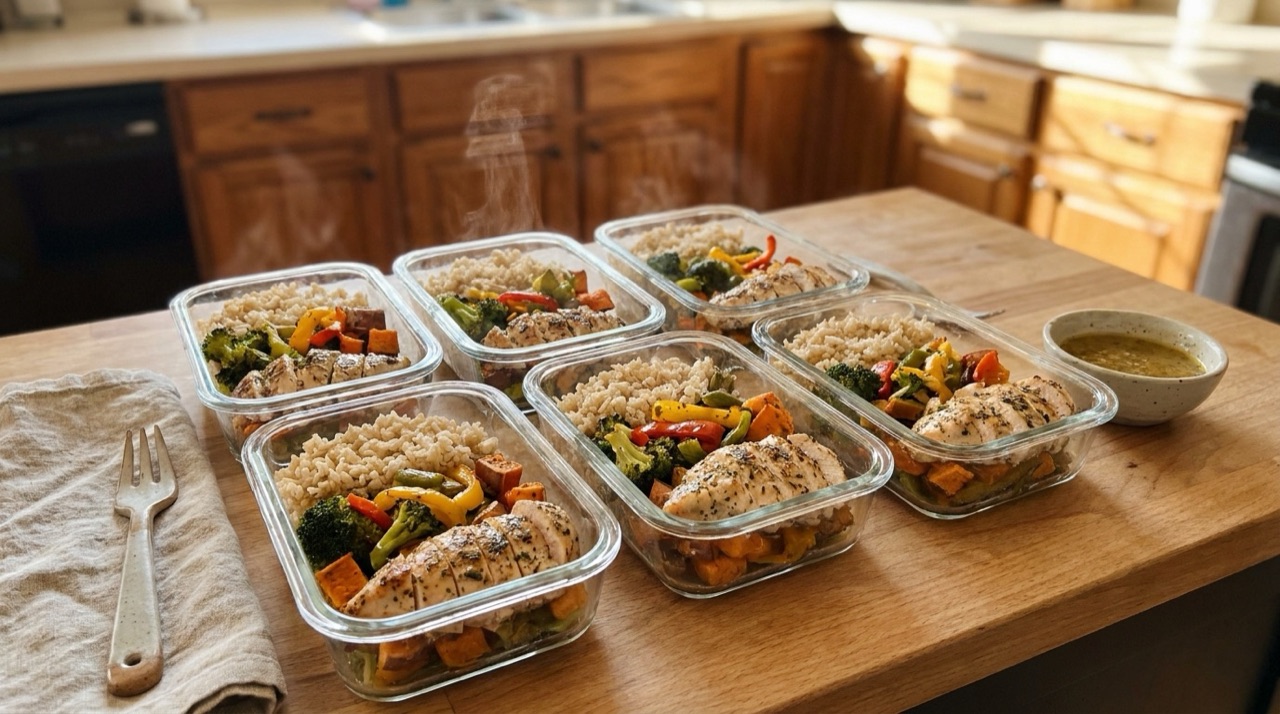
If you're sure you're in a deficit but the scale won't budge, one of these is almost always the reason. Go through them in order.
1. It hasn't been long enough
Fat loss can be masked by water for 1–3 weeks. Judge over 3–4 weeks of weekly averages, not days.
2. Water retention is hiding fat loss
A salty meal, a hard workout, stress, poor sleep or the menstrual cycle can add 1–2 kg of water. See water weight.
3. You're underestimating portions
Studies of self-reported intake regularly find people under-report what they eat. Common culprits: spreads, nuts, cheese, rice and pasta portions. Weigh your staples for a week to recalibrate.
4. Cooking oils, dressings and drinks are missing
A tablespoon of oil is about 120 kcal. A latte can be 200. Two glasses of wine about 250. These rarely show up in photos or memory. See calories in coffee drinks.
5. Weekends erase the weekday deficit
A 400-calorie weekday deficit (2,000 kcal over 5 days) can disappear with two 1,000-calorie-over weekend days. See weekend overeating.
6. You're eating back too many exercise calories
Fitness trackers often overestimate calories burned. If you add them all back, your deficit may vanish.
7. Your target is based on an overestimated TDEE
Activity factors are guesses. If your "moderately active" is really "lightly active", your target could be 200–300 kcal too high. See TDEE explained.
8. You've lost weight and your needs dropped
A target that worked at 85 kg may be maintenance at 78 kg. Recalculate.
9. A medical factor
Some medications and conditions (for example hypothyroidism) affect weight. If you've ruled out the above, talk to your doctor.
What to do
- Log everything, including oils and drinks, for 2 weeks.
- Weigh food you eat often.
- Track weekends.
- Lower your target by 100–200 kcal and add some steps.
- Re-check after 3–4 weeks.
Track it
With Nutora, snapping every meal (including weekends and drinks) takes seconds, which makes it easier to catch the gaps. Related: weight loss plateau, calorie counting mistakes.
Frequently asked questions
Why am I gaining weight in a calorie deficit?
Short-term gains are usually water; if it continues for weeks, your intake is likely higher than you think.
Can you be in a deficit and not lose weight?
Not for long. If you're truly in a deficit, weight trends down over weeks, even if water hides it at first.
Does eating too little stop weight loss?
Very low intake doesn't stop fat loss, but it often leads to overeating later, which can.
How long should I wait before changing my calories?
About 3–4 weeks of consistent tracking.
Track it with a photo
Snap your meal, see the calories
Nutora's AI estimates calories, protein, carbs and fat from a photo of your plate and tracks them against your daily goal. Download on iPhone and iPad with a 3-day free trial.
Download on theApp Store