How AI Food Recognition Works (Without the Hype)
A plain-English look at how AI food recognition identifies dishes, estimates portions and turns a meal photo into calories and macros, and its limits.
By Ayoub Farid · · 3 min read
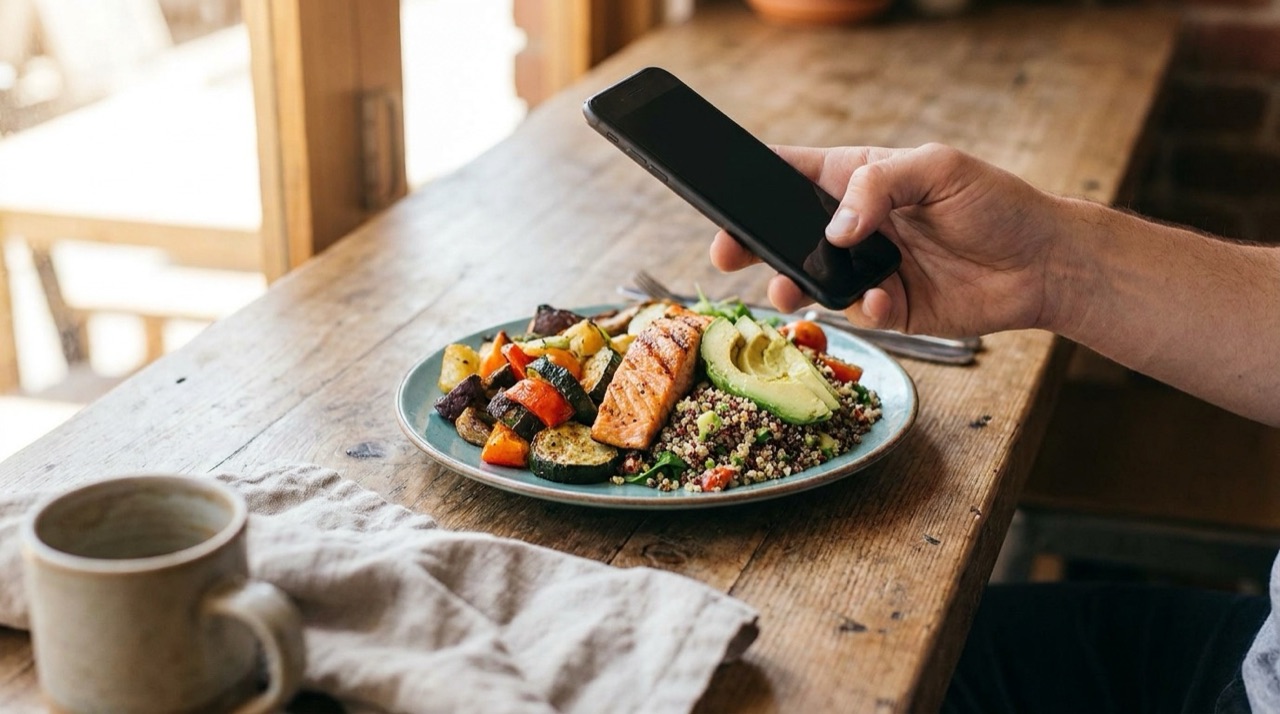
AI food recognition sounds like magic until you see what's happening underneath. It's pattern recognition, trained on enormous numbers of food images, plus a nutrition calculation at the end. Understanding the pieces helps you use photo calorie tracking well and know when to double-check it.
The three jobs of a food recognition model
1. Detection: what's on the plate?
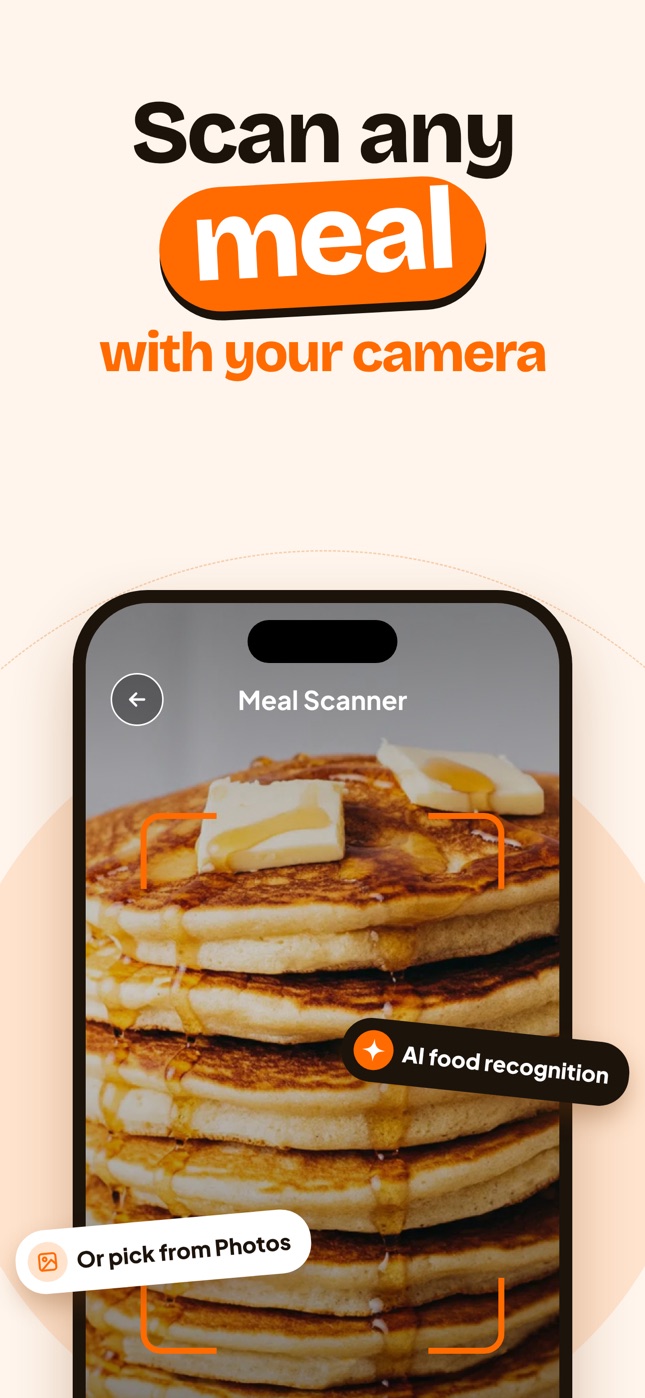
The model looks at the image and finds the regions that are food. A plate with steak, fries and salad becomes three separate items. Newer vision-language models can also name less common or regional dishes, like shakshuka, bibimbap or chicken tagine, instead of forcing them into generic categories.
2. Classification: what is each item?
Each region gets a label with a confidence level. Some foods look almost identical: mashed potatoes vs. cauliflower mash, white rice vs. cauliflower rice, regular vs. diet soda. These look-alikes are a common source of errors, and the reason a good app lets you correct the label.
3. Portion estimation: how much is there?
This is the hard part. A photo is 2D, while food has volume. Models use cues like plate diameter, the size of a fork, shadows and how the food is piled to estimate grams or servings. Some phones add depth data. Either way, portion size is where most of the uncertainty lives.
From food to numbers
Once the app has "about 180 g grilled salmon, 1 cup rice, 80 g asparagus", it uses standard nutrition values to calculate:
- calories,
- protein, carbohydrates and fat,
- sometimes extra scores, like Nutora's health score for how balanced the meal is.
For reference, cooked salmon is roughly 180–210 kcal per 100 g depending on the type, and a cup of cooked white rice is about 205 kcal. See calories in salmon and calories in rice.
What AI food recognition is good at
- Common, clearly visible foods: fruit, eggs, bread, grilled meat, salads.
- Whole dishes it has seen many times: pizza, burgers, sushi, pasta.
- Speed. A scan takes seconds, which is why people keep tracking.
Where it struggles
- Hidden calories: oil, butter, cream, sugar and dressings mixed into food.
- Fillings: what's inside a burrito, dumpling or sandwich.
- Look-alikes: full-fat vs. low-fat versions, sugary vs. sugar-free drinks.
- Unusual portions: a very large serving on a small plate can be underestimated.
How to work with it, not against it
- Shoot at 45° in good light.
- Fix wrong labels immediately. It takes two seconds.
- Adjust servings for shared plates or seconds.
- For packaged foods, trust the label.
- Note cooking fat when you cook at home.
The bottom line
AI food recognition won't replace a lab, but it makes daily tracking fast enough that people actually do it. That consistency is what helps you reach a goal. For accuracy numbers and practical advice, read how accurate AI calorie trackers are, or start with the AI calorie counter guide.
Try it with Nutora
Point your camera at your plate and Nutora identifies the foods, estimates calories, protein, carbs and fat, and lets you adjust anything before saving. See how to count calories from a photo.
Frequently asked questions
How does an app know what food is in a photo?
It uses a model trained on large sets of labeled food images to recognize shapes, colors and textures, then names each item with a confidence level.
Can AI estimate portion size?
Yes, approximately, using visual cues like plate size and food height. It's the least precise step, so adjust servings when needed.
Does AI food recognition work for homemade meals?
Yes, but it can't see added oil or butter. Add a note or adjust calories for cooking fat.
Is my food photo stored?
That depends on the app's privacy policy. Check it before you start tracking.
Track it with a photo
Snap your meal, see the calories
Nutora's AI estimates calories, protein, carbs and fat from a photo of your plate and tracks them against your daily goal. Download on iPhone and iPad with a 3-day free trial.
Download on theApp Store