How to Start Counting Calories: A Beginner's Guide
New to counting calories? Learn how to find your calorie target, log meals fast, read nutrition labels and avoid the mistakes beginners make.
By Ayoub Farid · · 2 min read
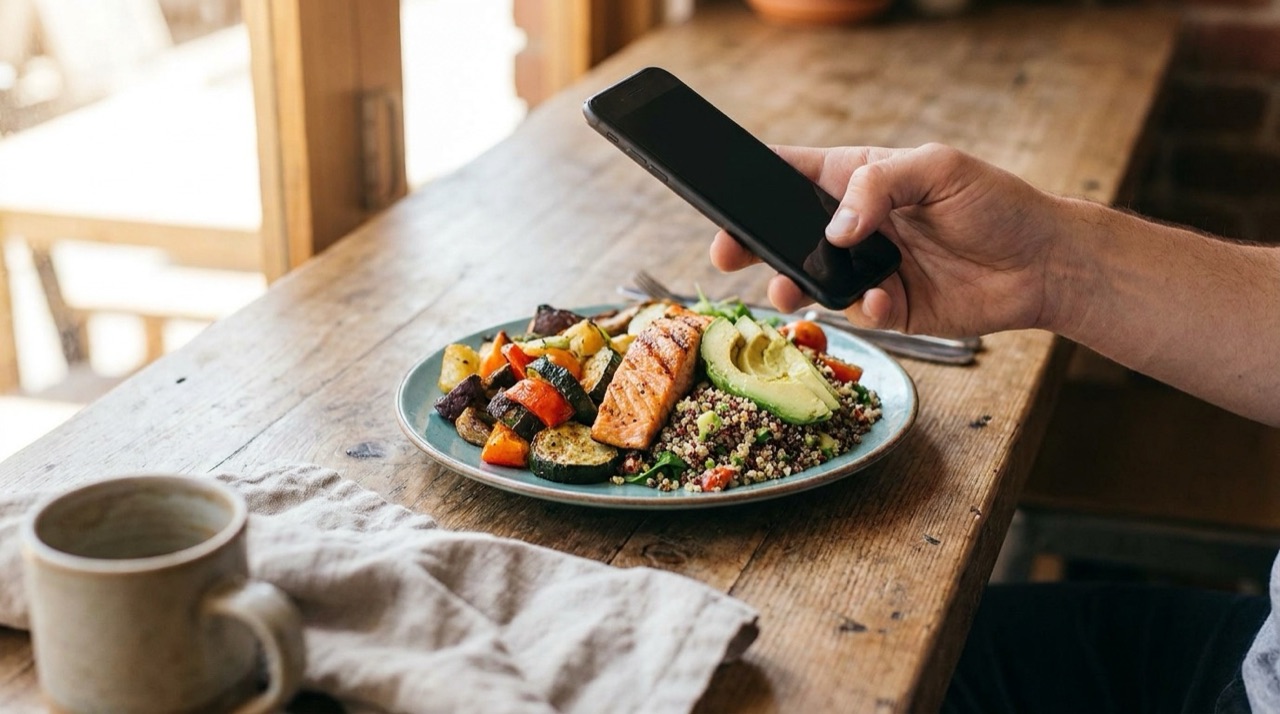
Counting calories sounds complicated, but the basics fit on one page. You need a target, a way to log, and a habit of checking your trend. Everything else is detail you can add later.
What a calorie is (in one paragraph)
A calorie (kcal, often written "Calories" on labels) is a unit of energy. Food provides energy; your body uses it to keep you alive, move and digest. Eat more than you use and you gain weight over time; eat less and you lose weight. Protein and carbs provide about 4 kcal per gram, fat about 9 kcal per gram, and alcohol about 7 kcal per gram.
Step 1: Pick a goal
- Lose weight: eat below your maintenance calories.
- Maintain: eat around maintenance.
- Build muscle: eat slightly above maintenance with enough protein.
Step 2: Estimate your daily calories
Use your age, sex, height, weight and activity level to estimate maintenance (your TDEE). Then adjust for your goal. Full method: how many calories should I eat.
Step 3: Choose how you'll log
| Method | Speed | Precision |
|---|---|---|
| Photo-based app | Seconds per meal | Good estimate |
| Database app + scale | Minutes per meal | High |
| Notebook | Slow | Depends on you |
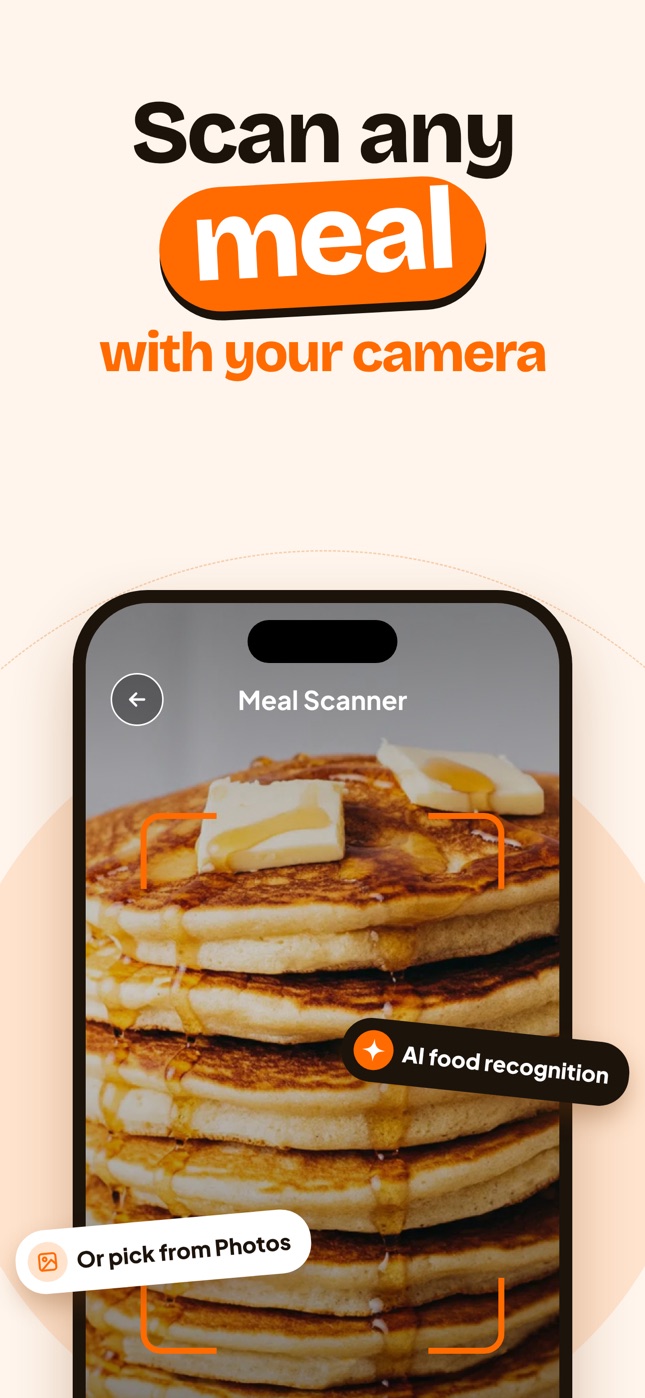
Most beginners stick with the fastest method. That's why we like counting calories from a photo.
Step 4: Learn your common foods
You probably eat the same 20–30 foods most weeks. Learning roughly what they contain makes everything easier:
- A large egg: about 72 kcal. See calories in an egg.
- A medium banana: about 105 kcal. See calories in a banana.
- A cup of cooked rice: about 205 kcal. See calories in rice.
- A tablespoon of olive oil: about 120 kcal.
Step 5: Read nutrition labels
Check the serving size first. A bag of chips might list 150 kcal per serving with 3 servings in the bag. Then look at calories, protein, carbs and fat.
Step 6: Track for two weeks before changing anything
Your first two weeks are data collection. Eat normally, log honestly, and see where your calories actually come from. Most people find a few surprises: drinks, snacks, cooking oil.
Beginner mistakes to avoid
- Starting with a huge deficit.
- Forgetting drinks and condiments.
- Logging at the end of the day from memory.
- Quitting after one over-target day.
More in calorie counting mistakes.
Start with Nutora
Nutora sets your daily target from a short questionnaire and lets you log meals with a photo. You'll see calories and macros left for the day after every meal.
Frequently asked questions
Is counting calories hard?
The first week takes some attention. After that, most people log in a few seconds per meal, especially with photo logging.
Do I need a food scale?
Not to start. A scale helps if you want more precision later.
Should beginners count macros too?
Start with calories and protein. Add carbs and fat targets once logging is a habit.
How many calories should a beginner eat?
It depends on your body and goal. Estimate your maintenance calories and subtract 300–500 kcal to lose weight.
Track it with a photo
Snap your meal, see the calories
Nutora's AI estimates calories, protein, carbs and fat from a photo of your plate and tracks them against your daily goal. Download on iPhone and iPad with a 3-day free trial.
Download on theApp Store